




How Long Does a GMC Sierra Last? A Real Look at Reliability and High-Mileage GMC Trucks
The Short Answer: What to Expect From a Well-Maintained Sierra
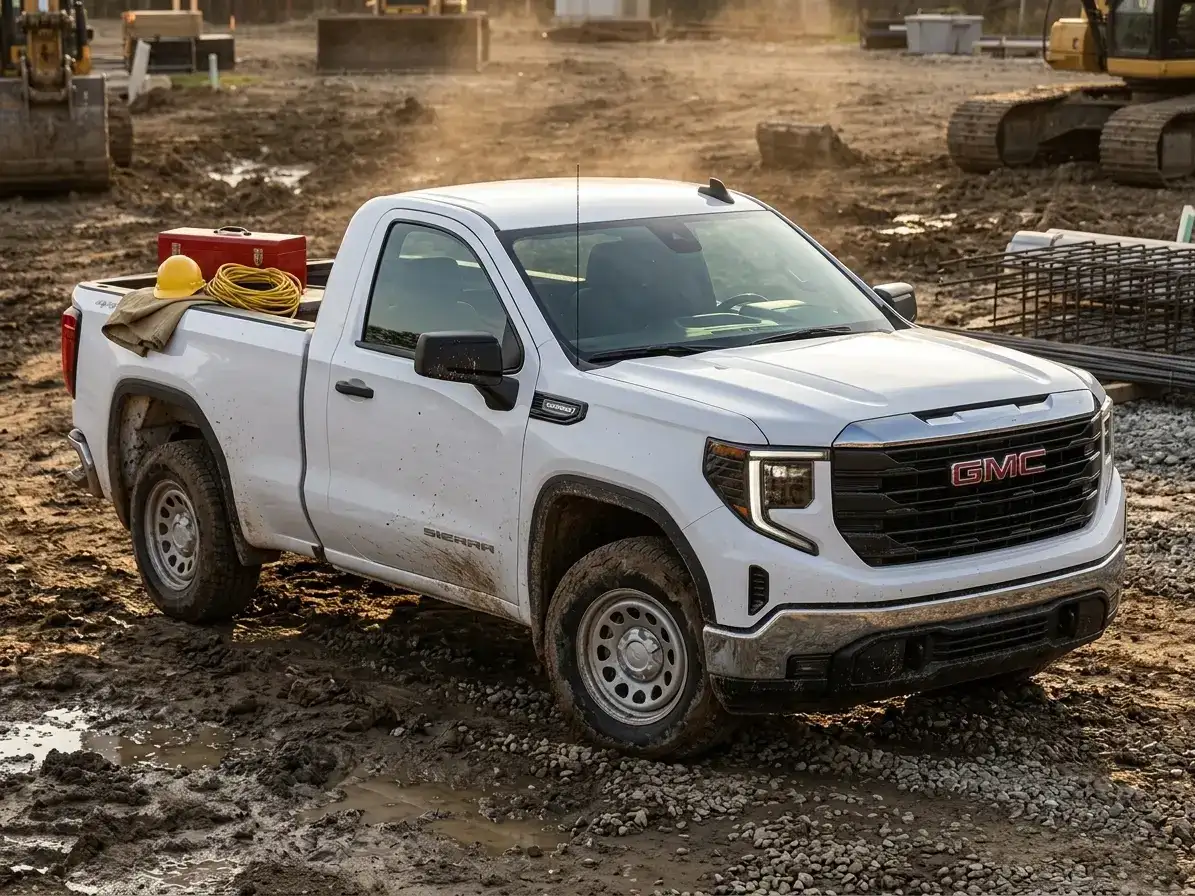
If you take care of a GMC Sierra, 200,000 to 300,000 miles is a realistic expectation, and a meaningful number of owners push well past 400,000 miles with the right maintenance habits. That puts the Sierra in a different category from the average American vehicle, which tends to tap out around 150,000 miles before major systems begin failing. The Sierra is not just a truck that runs a long time by accident; it is a platform engineered with a simple, proven architecture, robust powertrains, and a parts ecosystem so well-established that finding what you need at 250,000 miles is rarely a problem.
The honest caveat: longevity is not a guarantee built into the badge. It is earned mile by mile through oil changes, fluid flushes, and catching small problems before they compound. A neglected Sierra at 120,000 miles can be in worse shape than a meticulously maintained one at 280,000. What this guide covers is what that maintenance looks like, which engines tend to last the longest, and why Florida’s specific climate creates challenges, and advantages, for Sierra owners in Brevard County and along the Space Coast.
Sierra Lifespan by Engine: TurboMax, 5.3L V8, 6.2L V8, and Duramax Diesel
Not every engine in the Sierra lineup ages the same way. Understanding which powerplant is under the hood of any Sierra you own or are considering buying is one of the most important factors in projecting its long-term reliability.
The 5.3-liter V8 is the most common Sierra engine and the one with the deepest high-mileage track record. Properly maintained examples routinely hit 200,000 to 250,000 miles. The asterisk is the cylinder-deactivation hardware. The 2014–2018 L83 used Active Fuel Management, and the 2019-and-later L84 replaced it with Dynamic Fuel Management, which adds switching lifters on all eight cylinders and cycles them far more often. Both generations have been associated with valve lifter failures, and the problem was not resolved by the move to DFM. Reported failures cluster most heavily in engines built between September 2020 and March 2021, but complaints span the whole 2019-and-later range and the earlier AFM engines are not exempt. If you own any Sierra with the 5.3L and you are approaching 100,000 miles, it is worth having a shop listen for lifter noise at cold start as part of routine service.
The 6.2-liter V8 produces more power and is a strong long-term engine, with 250,000 to 300,000 miles achievable under proper care. One correction to a common assumption: the 6.2L L87 does not escape the lifter concern. It uses the same Dynamic Fuel Management system as the 5.3L L84 from 2019 onward and appears alongside it in the same service bulletins and the same owner complaint data. Choosing the 6.2L over the 5.3L buys power and a higher tow rating, not immunity from this specific issue. The other trade-off is fuel cost: premium fuel is recommended, and this engine is paired primarily with higher trim levels.
The 3.0-liter Duramax inline-six diesel is the long-haul champion. Diesel engines are inherently designed for higher compression and longer duty cycles, and real-world data from commercial and fleet use puts the Duramax’s life expectancy at 300,000 to 400,000 miles or beyond when maintained properly. Diesel maintenance is more expensive per service event, but the interval between major repairs tends to be far longer than gasoline engines.
The 2.7-liter TurboMax four-cylinder is the newest powertrain in the Sierra lineup and the one with the least long-term data. Early projections based on similar turbocharged engines in other GM platforms suggest 200,000 miles is achievable, but this engine has not had enough time in the field to generate the high-mileage data points that the V8s have. If longevity is your primary concern, the TurboMax is not the choice to make today.
The older iron-block Vortec V8 engines found in 2003–2006 Sierra models deserve mention: these are among the most bulletproof truck engines ever produced, and it is not unusual to find examples with 300,000 to 350,000 original miles on the odometer, still running without major engine work.
|
Engine |
Est. Lifespan | Key Watch Item |
| 5.3L V8 (2014–2018, AFM) | 200,000–250,000 mi |
AFM lifter wear |
|
5.3L V8 (2019+, DFM) |
200,000–260,000 mi | DFM lifter wear; worst cluster Sept 2020–Mar 2021 |
| 6.2L V8 (2019+, DFM) | 250,000–300,000 mi |
Same DFM lifter concern; premium fuel recommended |
|
3.0L Duramax Diesel |
300,000–400,000+ mi | Higher per-service cost |
| 2.7L TurboMax | ~200,000 mi (projected) |
Limited long-term data |
|
Vortec V8 (2003–2006) |
300,000–350,000+ mi |
Proven iron-block longevity |
What Counts as High Mileage for a GMC Sierra?
The used-car market has trained buyers to fear any vehicle over 100,000 miles, but that instinct does not serve Sierra buyers well. A Sierra at 100,000 miles, when it has been properly maintained, is barely broken in, the engine seals are seated, the transmission fluid has been changed, and the truck has not yet entered any of the mileage ranges where the common high-mileage failures tend to show up.
A more accurate framework for thinking about Sierra mileage: 100,000 miles is mid-youth. The powertrain is past its break-in period and running efficiently. 150,000 miles is genuinely middle-aged, you start looking more carefully at service records and might replace the water pump proactively. 200,000 miles is entering high-mileage territory by any measure, but not the end of the road, it is more like the beginning of a chapter that separates the trucks that were taken care of from those that were not. 250,000 miles and beyond is proven long-life territory. A Sierra with 280,000 miles and a clean service record is a different vehicle entirely from one with 130,000 miles and a blank maintenance history.
The most important number on any used Sierra is not the odometer reading, it is the thickness of the service records that come with the truck. A vehicle history report tells you where the truck has been. Maintenance receipts tell you how it got there.
How Florida’s Climate Affects Sierra Longevity
Florida is one of the best and one of the worst environments for a Sierra, depending on which part of the state and which systems you are talking about.
On the positive side, Florida roads are rarely icy, which eliminates the road salt damage that destroys frames and undercarriages in northern states. Sierra trucks in the Midwest and Northeast often suffer severe rust on the frame, brake lines, and suspension components by 100,000 miles. A Titusville Sierra that stays in Brevard County its whole life simply does not face that threat in the same way.
- The coastal exception: if your Sierra spends time near the Atlantic coast, and in Brevard County, that is a short drive from anywhere, salt air from the ocean is a real corrosion source. It does not work as fast as road salt, but it works steadily over years. Regular undercarriage rinses, especially after driving near the coast or beach parking areas, make a meaningful difference in long-term frame health.
- UV radiation is more aggressive in Florida than almost anywhere else in the country. Dashboard plastics, rubber seals around doors and windows, and exterior trim all degrade faster under the Florida sun. Parking in shade or a garage when possible, and using a quality UV-resistant protectant on interior and exterior trim, extends the life of these components significantly.
- Heat and batteries are a specific Florida problem. A battery that would last four to five years in a northern climate typically gives out in two to three years in Florida because heat accelerates internal chemical degradation. Sierra owners in Titusville should plan on battery replacement every two to three years and should have the battery tested as part of any service visit after the two-year mark.
- Humidity affects electrical connectors. Over years of high-humidity exposure, connector pins in the wiring harness can oxidize and create intermittent faults that show up as cryptic warning lights. Dielectric grease on accessible connectors during major service events is cheap insurance against this.
- Cooling systems face more sustained load in Florida than in most of the country. The Sierra’s coolant should be flushed on the manufacturer’s schedule, typically every five years or 150,000 miles for current-generation trucks, but Florida owners in particular should not let that interval slip, because the cooling system is working harder every month.
The Maintenance Habits That Add 100,000 Miles
The difference between a Sierra that reaches 200,000 miles and one that does not is almost always maintenance. The good news is that the Sierra is not a particularly complex or expensive truck to maintain, it rewards straightforward, consistent service habits more than expensive repairs done reactively.
- Oil changes are the single most important thing. The Sierra’s oil life monitoring system is accurate, but conservative estimates suggest 7,500-mile intervals for conventional driving and 5,000-mile intervals for trucks doing regular towing or driving in dusty environments. Use the grade specified in your owner’s manual, the 5.3L V8 and most current Sierra engines specify 0W-20 full synthetic.
- Transmission fluid is where neglect creates the most expensive problems. Many drivers treat transmission fluid as a lifetime fill, but at 60,000 and 100,000 miles, a fluid change removes the fine metallic particles that accumulate from normal friction wear. Those particles, left in the fluid, act as a mild abrasive against the transmission’s internal surfaces. A $150 fluid change at 60,000 miles prevents a $3,500 transmission repair at 180,000 miles.
- Coolant flush at five years, differential and transfer case fluid checks at 60,000 miles, and a fresh fuel filter at 100,000 miles round out the major service items that separate high-mileage Sierra trucks from those that stop short.
For Florida owners specifically: an undercarriage rinse after any trip near the coast is simple, free, and meaningful. Just run a garden hose along the frame rails and suspension components to knock off any accumulated salt residue. It takes two minutes and adds years to the life of structural metal components.
|
Service Item |
Interval | Why It Matters |
| Oil change (synthetic) | 5,000–7,500 mi |
Engine longevity foundation |
|
Transmission fluid |
60,000 / 100,000 mi | Prevents $3,500+ repair |
| Coolant flush | Every 5 years |
Critical in FL heat |
|
Differential fluid |
60,000 mi | Transfer case protection |
| Battery test/replace | Every 2–3 yrs (FL) |
Heat kills FL batteries faster |
|
Undercarriage rinse |
After coastal driving |
Salt air corrosion prevention |
What Actually Goes Wrong on High-Mileage Sierras
Understanding the known failure points of the Sierra helps you budget intelligently and inspect the right things when evaluating a high-mileage example. Not every failure on this list is catastrophic, most are routine wear items that any capable independent shop can handle at a reasonable cost.
The AFM and DFM lifter issue is the most discussed Sierra reliability concern, and it affects both the 5.3L and the 6.2L V8 rather than the 5.3L alone. When a lifter collapses, the valve stops opening, the cylinder misfires, and the roller can wipe the camshaft lobe quickly, which is why the repair escalates. Costs commonly run from around $2,000 to $7,000 depending on how many cylinders are involved and whether the camshaft needs replacing. The warning signs are a ticking or knocking noise, rough idle, misfires, loss of power, a check engine light with a cylinder-specific misfire code, and in some cases elevated oil consumption. The failure snowballs, so acting on the noise early matters. If you are considering any used Sierra with either V8, ask specifically whether the lifters have been addressed and have a technician listen at cold start.
The water pump is a wear item that tends to give out in the 100,000 to 130,000 mile range on most Sierra generations. Signs of impending failure include a slight coolant smell under the hood, visible weeping around the pump housing, or an overheating tendency during heavy traffic. On the Sierra, it is relatively accessible and a straightforward replacement.
Front brake wear happens faster on trucks than on cars because the weight being slowed is substantially greater. Sierra owners doing regular towing should plan on brake inspections every 20,000 to 25,000 miles rather than waiting for the squeal indicator to activate.
Transmission cooler lines develop small leaks in high-mileage trucks, particularly where the rubber sections connect to the metal hard lines. The leak starts small and the transmission stays topped off with ATF, so the symptom is often just a spot on the driveway rather than a performance issue. Catching and replacing cooler lines early is far less expensive than repairing the internal transmission damage that results if the fluid level drops.
AC evaporator failure is more common in Florida than in most of the country. The combination of constant AC use and the humidity that gets cycled through the evaporator core accelerates corrosion of the aluminum. When the evaporator starts leaking refrigerant, the AC stops cooling efficiently. Replacement is a labor-intensive job because the evaporator is buried inside the dashboard, but it is a known repair that GM dealerships handle routinely.
Buying a Used High-Mileage Sierra at Starling GMC Titusville
If you are in the market for a used Sierra, whether from Starling’s inventory or evaluating a private-party truck, the team at Starling GMC Titusville offers certified inspection services on every pre-owned Sierra on our lot. That means a multi-point inspection covering the engine, transmission, brakes, suspension, cooling system, and electrical, with the results documented and available to review before you make a decision.
Starling also offers certified pre-owned Sierra trucks backed by a GM-backed limited warranty, which extends coverage on powertrain components and gives you a meaningful safety net on a high-mileage purchase. For private-party Sierras you find elsewhere, a paid pre-purchase inspection performed by a qualified technician is money well spent, typically $100 to $150 for a thorough inspection that can surface problems before they become your problems.
To browse current Sierra inventory or schedule a service appointment, visit Starling GMC Titusville online or stop by our service lane on any weekday morning.
Conclusion
The GMC Sierra is one of the longest-lived trucks on the road today, with a proven track record of reaching 200,000, 300,000, and beyond when owners invest in consistent maintenance. The engine you choose matters: the Duramax diesel leads the longevity rankings, and both gasoline V8s are capable of very high mileage, though owners of either the 5.3L or the 6.2L should understand the AFM and DFM lifter concern and know what it sounds like. Florida’s climate adds specific challenges around UV exposure, battery life, and coastal corrosion, but eliminates the road salt damage that ends Sierra lives in northern states. With the right maintenance habits and an understanding of the known failure points at high mileage, a Sierra is not just a truck that gets you to work, it is a platform that can outlast most of the competition by a wide margin.

0 comment(s) so far on How Long Does a GMC Sierra Last? A Real Look at Reliability and High-Mileage GMC Trucks